The custom apparel industry continues to grow year after year, creating opportunities for entrepreneurs to turn creativity into a profitable business. Whether you're looking to launch a clothing brand, create custom apparel for local businesses, or start a side hustle from home, Direct-to-Film (DTF) transfers have made it easier than ever to get started.
One of the biggest advantages of using DTF transfers is that you can produce professional-quality apparel without investing thousands of dollars in printing equipment. By partnering with a trusted transfer provider like Rolled Up Printing, you can focus on building your brand and selling products while leaving the printing to the experts.
In this guide, we'll walk through everything you need to know to start a t-shirt business using DTF transfers.
Why DTF Transfers Are Changing the Apparel Industry
Traditionally, starting a t-shirt business often required expensive screen-printing equipment, large minimum orders, and significant upfront costs. DTF transfers have changed that.
DTF transfers allow full-color designs to be printed onto a special film and then applied to garments using a heat press. The result is a vibrant, durable print that works on a variety of fabrics, including cotton, polyester, and blends.
For new business owners, this means:
- Lower startup costs
- No large inventory requirements
- Fast turnaround times
- Unlimited color options
- Easy customization
- Ability to print one shirt or hundreds
These advantages make DTF transfers one of the most accessible ways to enter the apparel business.
Step 1: Define Your Niche
Before creating designs, identify who you're selling to.
Successful t-shirt businesses often focus on a specific audience rather than trying to appeal to everyone.
Popular niches include:
- Small businesses
- Schools and booster clubs
- Sports teams
- Local events
- Family reunions
- Fitness enthusiasts
- Pet lovers
- Outdoor lifestyles
- Faith-based organizations
- Fashion and streetwear brands
Having a defined niche helps guide your designs, marketing, and branding efforts.
Step 2: Create High-Quality Artwork
Your designs are the foundation of your business.
Whether you create your own artwork or hire a graphic designer, your files should be high resolution to ensure the best print quality. Most professional DTF transfers perform best when artwork is created at approximately 300 DPI.
Keep your designs:
- Clean and readable
- High resolution
- Properly sized for the garment
- Relevant to your target audience
Remember, customers buy designs that connect with them emotionally or solve a need.
Step 3: Partner with a Reliable DTF Transfer Supplier
One of the most important decisions you'll make is choosing your transfer provider.
A quality supplier can help ensure your customers receive vibrant colors, sharp details, and durable transfers that withstand repeated washing.
Rolled Up Printing has become a trusted resource for apparel decorators, small businesses, and clothing brands looking for high quality DTF transfers. Their easy-to-use gang sheet builder allows you to maximize print space and reduce production costs, making it especially beneficial for startups trying to increase profitability.
Instead of purchasing expensive DTF printing equipment, many successful apparel businesses outsource their transfers and focus their efforts on sales, customer service, and marketing.
Step 4: Invest in a Quality Heat Press
With DTF transfers, your primary piece of equipment is a heat press.
A reliable heat press provides:
- Consistent temperature
- Even pressure
- Professional results
- Reduced waste
While budget presses may seem appealing, investing in quality equipment often saves money over time by reducing failed transfers and damaged garments.
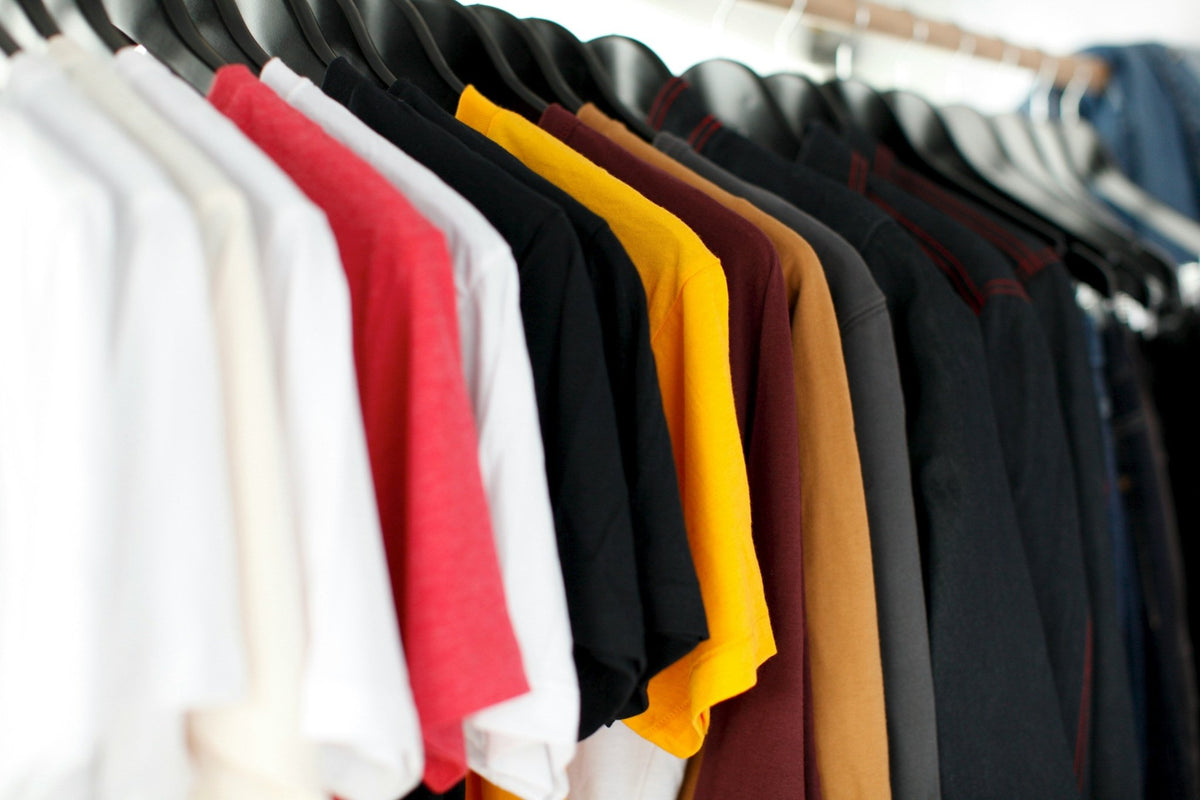
Step 5: Source Quality Blank Apparel
The quality of your shirt matters just as much as the quality of your print.
Popular blank apparel options include:
- Cotton t-shirts
- Performance shirts
- Hoodies
- Sweatshirts
- Tote bags
- Hats
Customers remember how a garment feels. Combining premium blanks with high-quality DTF transfers creates a product customers are more likely to purchase again.
Step 6: Maximize Profits with Gang Sheets
One of the easiest ways to improve profitability is by using gang sheets.
A gang sheet allows multiple designs to be placed on a single transfer sheet, reducing waste and lowering overall production costs.
Rolled Up Printing's gang sheet builder makes it simple to:
- Upload multiple designs
- Resize artwork
- Duplicate images
- Arrange layouts efficiently
- Check image quality before printing
This flexibility is especially valuable for small businesses fulfilling custom orders or testing new designs.
Step 7: Build Your Brand
Many new entrepreneurs focus only on designs and overlook branding.
Strong branding helps customers recognize and trust your business.
Key branding elements include:
- A memorable business name
- Professional logo
- Consistent colors
- Social media presence
- Clear messaging
- Packaging and presentation
A strong brand can often be the difference between a one-time customer and a loyal repeat buyer.
Step 8: Start Selling
You don't need a retail storefront to begin selling t-shirts.
Many successful businesses start by selling through:
- Social media platforms
- Etsy
- Shopify stores
- Local markets
- Community events
- School fundraisers
- Business partnerships
Focus on building relationships and gathering customer feedback as you grow.
Common Mistakes New T-Shirt Businesses Make
As you launch your business, avoid these common pitfalls:
Using Low-Resolution Artwork
Poor-quality artwork can lead to blurry or pixelated prints. Always use high-resolution images whenever possible.
Underpricing Products
Many new entrepreneurs only account for material costs. Be sure to include labor, equipment, shipping, marketing, and profit margins in your pricing strategy.
Buying Too Much Inventory
One of the biggest benefits of DTF transfers is flexibility. Start small, test designs, and scale based on actual demand.
Ignoring Marketing
Even the best designs won't sell if nobody knows they exist. Consistent marketing is just as important as quality products.
Final Thoughts
Starting a t-shirt business doesn't require a massive budget or a warehouse full of equipment. With DTF transfers, entrepreneurs can launch quickly, keep startup costs low, and create professional quality apparel from day one.
By partnering with a trusted supplier like Rolled Up Printing, you can simplify production while focusing on what matters most: building your brand, growing your customer base, and increasing sales.
Whether you're launching a side hustle, creating custom apparel for your community, or building the next great clothing brand, DTF transfers provide a flexible and scalable path to success.
The best time to start is now. Your first design could be the beginning of a thriving apparel business.


Leave a comment
This site is protected by hCaptcha and the hCaptcha Privacy Policy and Terms of Service apply.